Trees play a foundational role in sustainable landscaping, offering environmental, economic, and aesthetic benefits that extend far beyond visual appeal. In thoughtfully designed landscapes, trees act as long-term assets that support ecological balance while enhancing the functionality of outdoor spaces. Their presence helps create self-sustaining environments that require fewer artificial inputs over time, making them a cornerstone of environmentally responsible landscape design.
Environmental Benefits That Go Beyond Shade
One of the most significant contributions trees make to sustainable landscaping is their environmental impact. Trees absorb carbon dioxide, filter air pollutants, and release oxygen, improving overall air quality. Their canopies provide shade that naturally cools surrounding areas, reducing the need for excessive air conditioning in nearby buildings. This temperature regulation lowers energy consumption and supports climate resilience, particularly in regions experiencing warmer summers. Additionally, trees intercept rainfall, reducing runoff and helping prevent soil erosion and water pollution.
Supporting Soil Health and Water Conservation
Trees contribute directly to healthier soil systems. Their roots stabilize soil, preventing erosion and improving structure over time. Leaf litter and organic debris enrich the ground with nutrients as they decompose, supporting beneficial microorganisms and promoting fertile growing conditions. Trees also play a critical role in water conservation by increasing soil permeability and reducing evaporation. Shaded ground retains moisture longer, decreasing the need for frequent irrigation and supporting drought-resistant landscapes.
Enhancing Biodiversity and Ecosystem Balance
Sustainable landscaping prioritizes biodiversity, and trees are essential to achieving it. They provide habitat and food sources for birds, insects, and other wildlife, supporting local ecosystems. Native tree species are particularly valuable, as they are well adapted to local conditions and require less maintenance. By fostering biodiversity, trees help create balanced landscapes that are more resilient to pests, disease, and environmental stressors. This natural balance reduces reliance on chemical treatments and intensive maintenance practices.
Energy Efficiency and Long-Term Cost Savings
Strategically placed trees contribute to energy efficiency in residential and commercial landscapes. Shade trees positioned near buildings can significantly reduce cooling costs, while windbreaks help protect structures from harsh winter winds. Over time, these natural energy-saving benefits translate into lower utility expenses. Sustainable landscaping professionals, such as Organic Solutions Lawn Care and Landscaper Idaho, often emphasize tree placement and species selection as key factors in maximizing both environmental impact and long-term value.
Aesthetic and Community Benefits
Beyond their ecological role, trees enhance the visual and social aspects of landscapes. Mature trees add character, scale, and seasonal interest to outdoor spaces, increasing property value and curb appeal. In community settings, tree-lined streets and green spaces encourage outdoor activity, improve mental well-being, and foster a sense of connection to nature. These social benefits align closely with sustainability goals by promoting healthier, more livable environments.
Responsible Tree Selection and Care
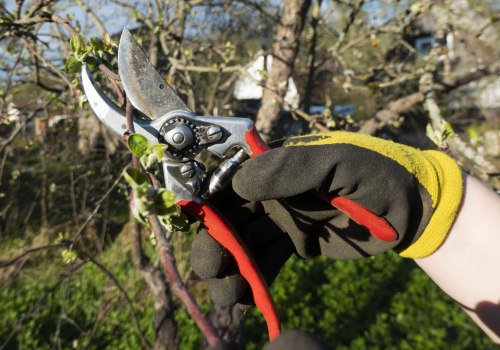
For trees to truly support sustainable landscaping, proper selection and care are essential. Choosing species suited to local climate and soil conditions reduces the need for excessive watering, fertilization, and pruning. Long-term planning ensures trees have adequate space to grow without causing structural damage or overcrowding. Sustainable care practices, including mulching and responsible pruning, help trees thrive while minimizing environmental impact.
Growing a Sustainable Future
Trees are powerful contributors to sustainable landscaping, offering benefits that span environmental health, resource conservation, and human well-being. When integrated thoughtfully into landscape design, they create resilient outdoor spaces that grow stronger over time. By valuing trees as living infrastructure rather than decorative elements, sustainable landscaping builds a healthier future—one rooted in balance, longevity, and respect for the natural world.